• All things technology
  • Delivery within Europe
  • Right to Cancel applies
  • Specialist retailer since 1923

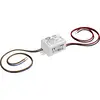
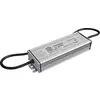
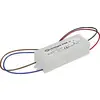
EVN K12150 LED transformer Constant voltage 150 W 12 V not dimmable, Overvoltage, Surge protection, PFC circuit, Approve

1/3
Datasheet (PDF)
EAN:
Part number:
Item no:
Unavailable

Sales and shipping:
Conrad ElectronicTerms & Conditions

Highlights & Details

12V/DC LED POWER SUPPLY

  • Constant voltage
  • 12 V

Technical specifications

Product type

LED transformer

Type

Constant voltage

Dim

(L x W x H) 223 x 70 x 41 mm

Output voltage (max.)

12 V DC

Output voltage (min.)

12 V

Test mark

MM-Kennzeichnung

Protection class

I

LED driver features

not dimmable

Overvoltage

Surge protection

PFC circuit

Approved for use on furniture

Outdoor

IP67

Connection

Open end cable

Max. power

150 W

Input voltage (max.)

240 V

Min. input voltage

100 V

Weight

0.93 kg

Power (min.)

0.1 W

Power range

0.1 up to 150 W

Width

70 mm

Height

41 mm

Length

223 mm

Max. temperature

80 °C

Min. temperature

-20 °C

UKCA

yes

Documents & Downloads

Datasheet

Datasheet 2483742 EVN K12150 LED transformer Constant voltage 150 W 12 V not dimmable, Overvoltage, Surge protection, PFC circuit, Approve

User & Safety Instructions

User & Safety Instructions 2483742 EVN K12150 LED transformer Constant voltage 150 W 12 V not dimmable, Overvoltage, Surge protection, PFC circuit, Approve
Description

The short-circuit proof safety transformer can be used outdoors due to its higher degree of protection, but can also be used in furniture construction, for example, as THE MM marking is given. The connecting cables have a length of 29cm on the primary side and 29cm on the secondary side. Technical data: Supply voltage: 100-240V/AC, ta: -20°C - 50°C, tc: 80°C, power factor: 0.95.

This text is machine translated.

Hints

Caution!
Make sure you pick an LED driver/transformer that comes with the appropriate power rating.
Choose a driver/transformer that supplies approx. 30 pecent more watttage, as the current consumption (i.e. amperage) of the LEDs is key, and not the power rating of the LED provided by the LED manufacturer.
Keep in mind that the switch-on surge tend to be much higher.